Brain injury community gathers for the 2025 UKABIF Time for Change Summit
07 November 2025
(0 Comments)
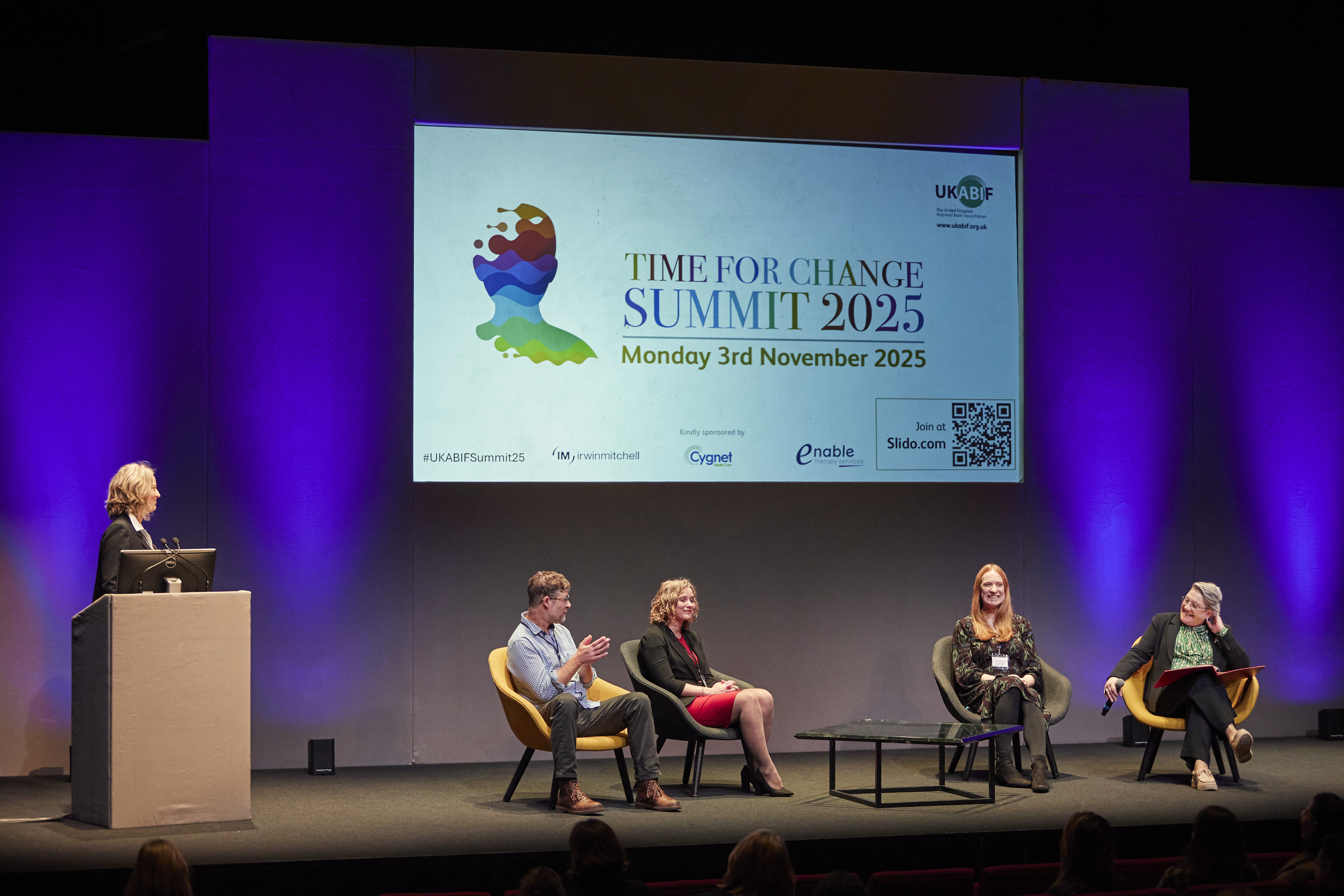
The 2025 UK Acquired Brain Injury (UKABIF) Time for Change Summit attracted more than 300 delegates to what was a full day of thought-provoking and informative sessions.
Once again, UKABIF put people with lived experience of acquired brain injury at the heart of the conference ensuring their powerful voices are heard.
The Summit, held at The Lowry in Salford, again saw a wide range of speakers from across a range of disciplines from neurosurgery to case management.
Opening the Summit, UKABIF Chair of Trustees, Professor Andrew Bateman, said:
“The varied programme and the broad church that is the audience reflects the wider umbrella which UKABIF seeks to represent and those whose knowledge, experience and insight
we need to inform our work.”
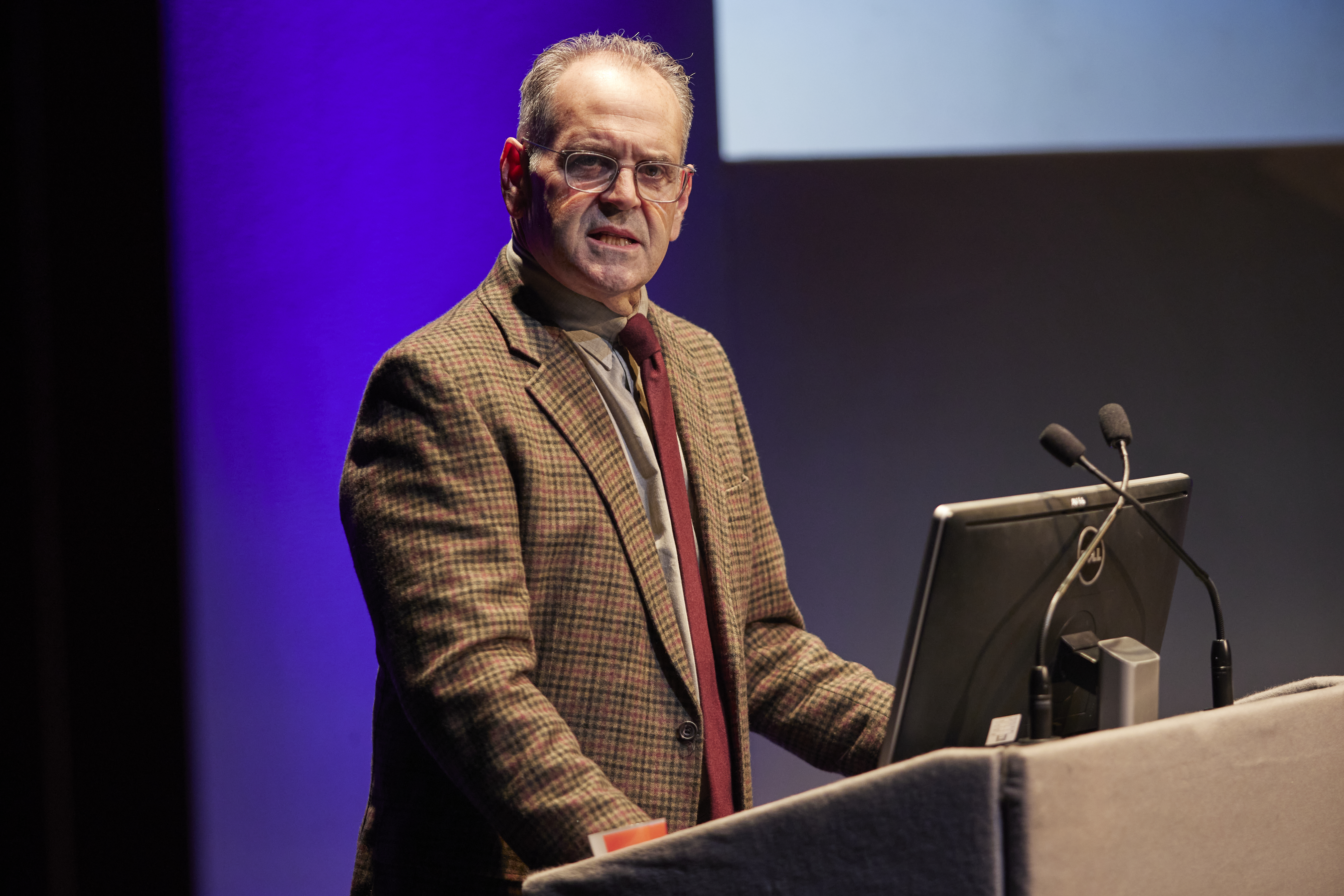
Dr Geoff Manley, Chief of Neurosurgery at Zuckerberg General Hospital and Professor and Vice Chair of Neurosurgery at the University of California, opened the Summit with his presentation looking at the Traumatic Brain Injury (TBI) classifications.
He stressed that the classification of mild, moderate and severe is often not a good predictor of lived experience for TBI survivors. He said: “We would never say 'severe' or 'mild' cancer" - there is no other modern, treatable condition with such an
imprecise classification.”
The theme of TBI classification continued with a panel chaired by UKABIF Trustee, James Piercy as he talked to Aaron, Mikayla and Mikayla’s Mum, Julie, about their lived experiences of
acquired brain injury. They agreed the classifications were not helpful in their roads to recovery.
Click here to view this session
39 Essex Chambers Barrister, Arianna Kelly, addressed delegates with her presentation, ‘Walking the Talk’ which focused on Executive Functioning and Mental Capacity. She spoke about 'fluctuating' mental capacity and that someone with
an ABI may be able to 'talk the talk' but not be able to 'walk the walk'. She says it is common for people with an ABI to be able to make a decision in a calm and controlled atmosphere but not be able to take a decision in the moment.
Click here to view this session
Sir John Hayes MP, Chair of the Acquired Brain Injury All-Party Parliamentary Group, addressed the Summit by video. Emphasising the need to centre people with lived experience, he said the mission was now to ensure the Government implements
the ABI Action Plan.
Data came under the spotlight for the presentation by Health Economist, Jennifer Misak who authored the APPG and UKABIF report, Cost to the UK Economy of Brain Injury. She spoke about how data is used to influence policy change and stressed the need for
good quality data. She said: “Outputs are only as good as inputs”. The Report highlighted that brain injury costs the UK economy £43 billion every year.
Click here to view this session
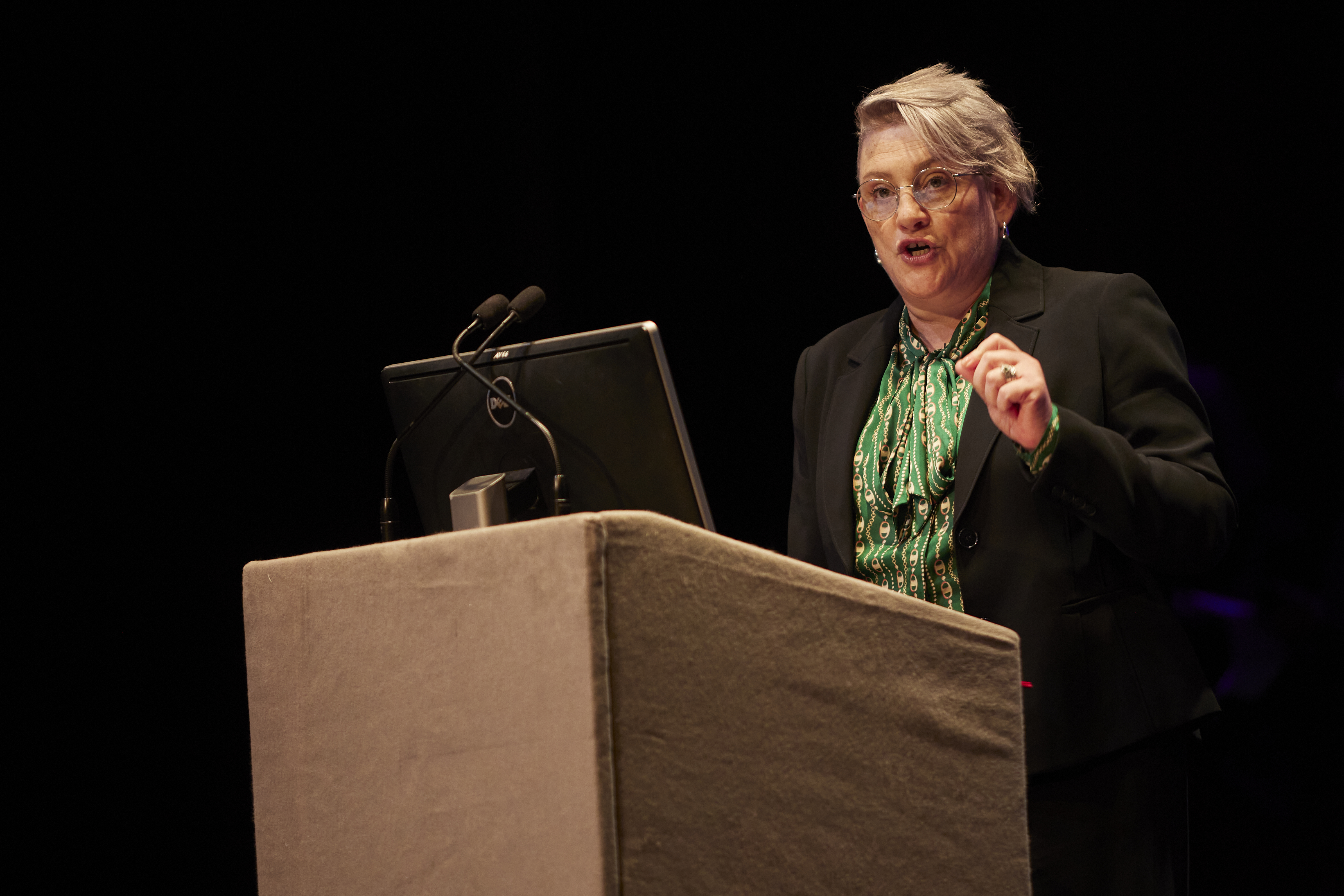
UKABIF were delighted to welcome Ashley Dalton MP to address the Summit. As Under-Secretary of State for Public Health and Prevention, she opened by saying: “This Government gets it - we need a plan on acquired brain injury”.
She updated delegates on the Government’s 10 year plan for health and talked about the need for timely rehabilitation, especially within community settings.
Click here to view this session
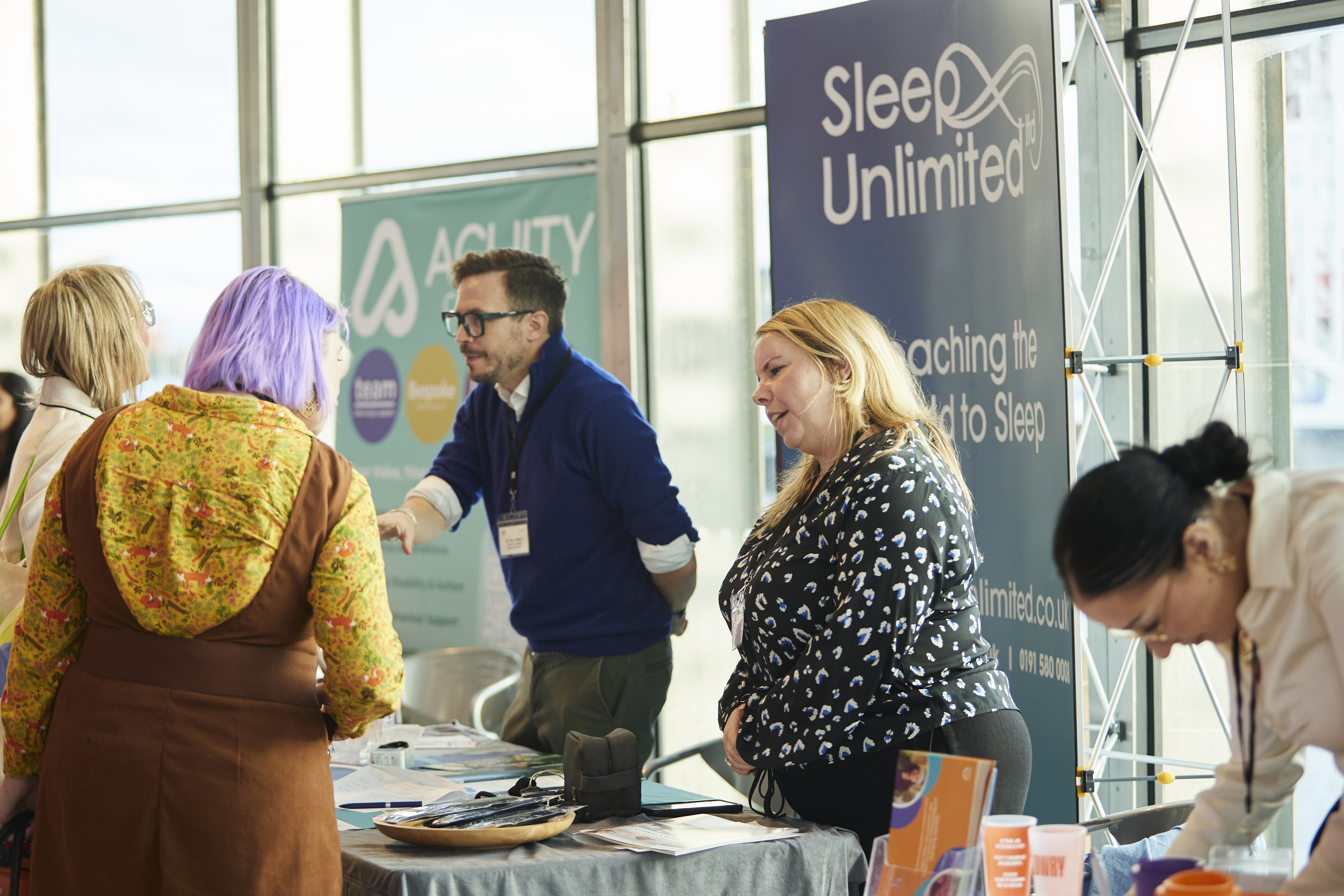
As well as hearing from speakers, Summit attendees had plenty of time to network, connect and chat to the representatives on the 39 exhibition stands which covered everything from healthcare to law and mobility to special interest and campaign groups.
The afternoon started with a session highlighting the recently published NICE guidelines for Rehabilitation of Chronic Neurological Conditions. Case Manager Jackie Dean was joined by Consultant Clinical Neuropsychologist Dr Gaby Parker and Dr Mark Holloway,
Case Manager and Expert Witness. They were all part of the NICE panel for the development of the guidance and shared with the audience their personal perspectives on what should be celebrated and also what challenges still remain.
Click here to view this session
No Child Left Behind was the theme for a symposium chaired by Dr Emily Bennett, Consultant Clinical Psychologist and Chair of the National Acquired Brain Injury in Learning and Education Syndicate (N-ABLES).
Click here to view this session
Dr Hope Kent, Research Fellow at the University of Exeter, highlighted the issue of SEN (Special Educational Needs) support for children with a TBI and the need for better awareness in education of the impact of an ABI in children. Research shows that
40,000 children acquire a brain injury every year yet the education system is under-resourced and unaware of how to meet the needs of this vulnerable group.
Click here to view this session
Joanna Woodhouse, SENCO and member of N-ABLES Steering Committee, highlighted the work of the Educational Professional Advisory Group and what has been learnt from talking to teachers. She said teacher education is key to help them effectively plan a
return to education for a child with an ABI.
Click here to view this session
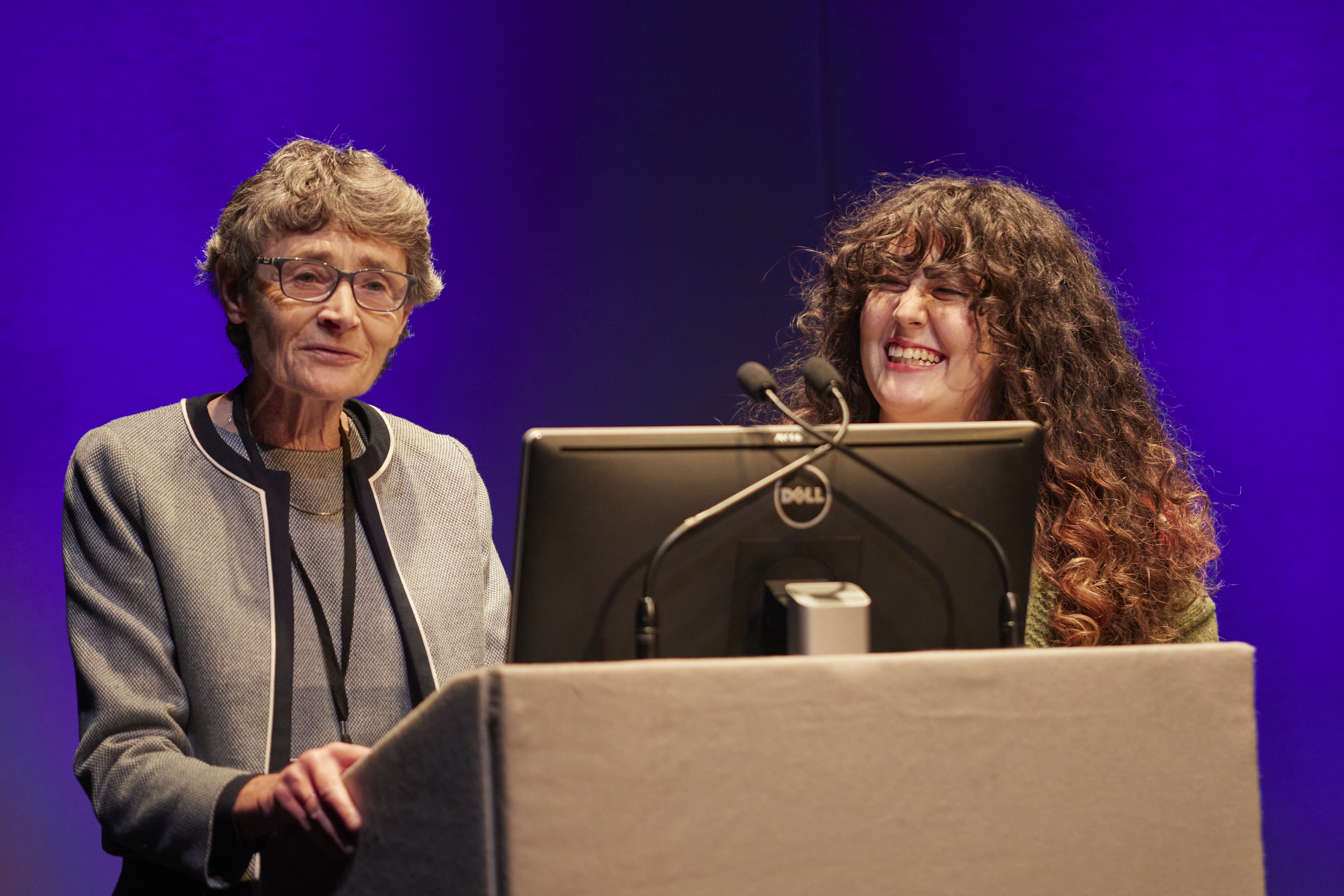
The Symposium concluded with a presentation by Baroness Morris of Yardley who was joined by Eden Sill, a Young Expert with Experience of Acquired Brain Injury. Eden shared her experience of navigating the education system and the changing environments
of primary and secondary schools through to university. Baroness Morris talked about policy changes needed to improve educational experiences for young people.
Click here to view this session
The final session of the day was a panel discussion ‘Community Rehabilitation and Acquired Brain Injuries: What Does the Future Hold?’ Moderated by Dr Aly Norman, Associate Professor of Psychology at Plymouth University, it saw Occupational Therapist
Kate Roach join Luke Griggs, Chief Executive of Headway UK and Decently co-founder James Burch discuss the 10 year plan for the NHS and what challenges face those working to support people with an acquired brain injury.
Click here to view this session
Chloe Hayward, Executive Director of UKABIF, said: “This annual event is so important as it gives us the chance to debate issues which are crucial to improving access to services and support for people with acquired brain injuries and their carers and
families. We are very grateful to all those who shared their expertise, which shapes our work and contributes to the building momentum for change.” Thanks to Irwin Mitchell, Cygnet Health Care and Enable Therapy Services for sponsoring the event.
View the sessions of the UKABIF Summit 2025 via our youtube channel
Click here
|

 Email to a Friend